
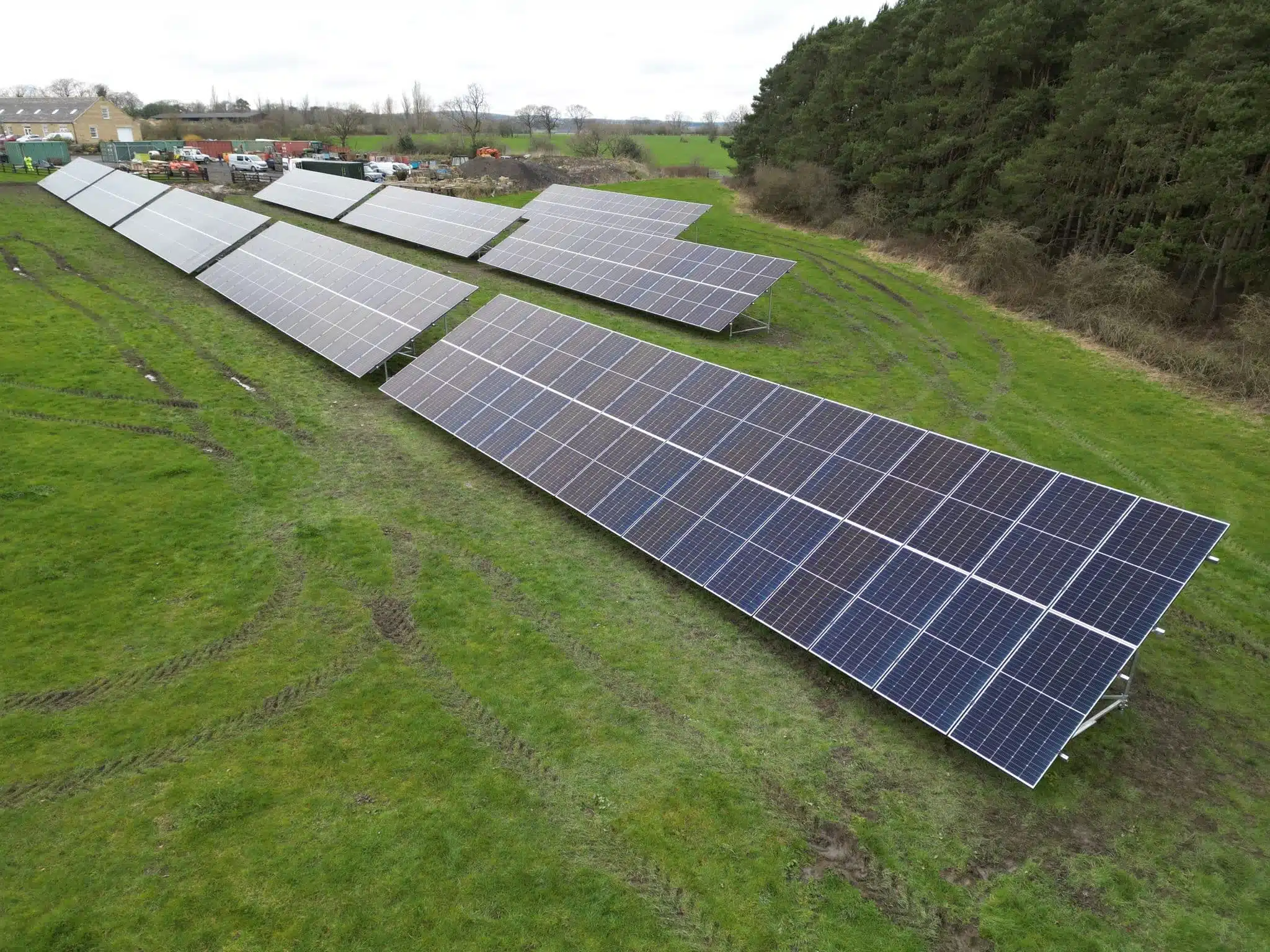
Reliable, Scalable Foundations for Solar Farm Developments
Solar farms require foundation systems that can be installed quickly, perform reliably over decades, and minimise environmental impact across large sites. At D Page Contractors, we deliver engineered ground screw foundation solutions specifically designed for utility-scale and commercial solar farm projects across the UK.
Why Choose Ground Screws for Battery Energy Storage Systems?
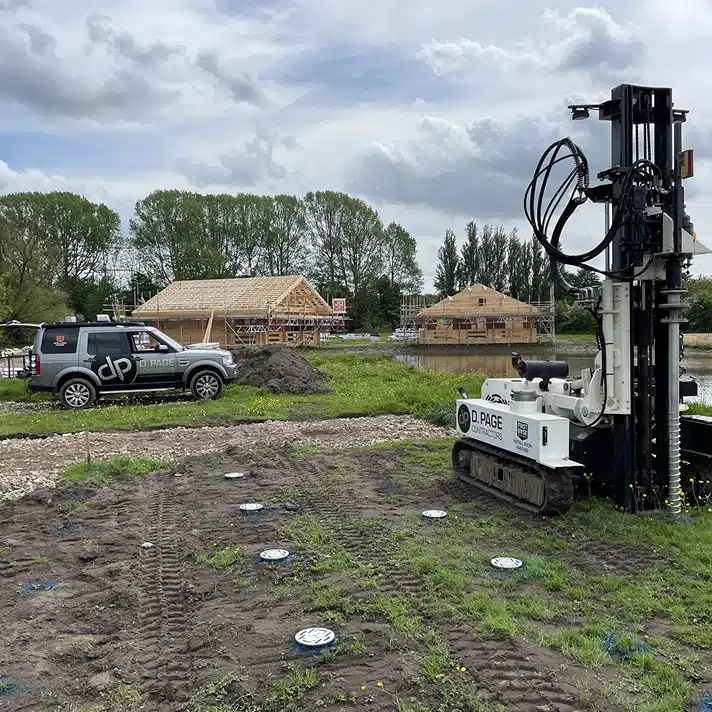
- Fast, Large-Scale Installation: Ground screws allow rapid installation across wide sites, keeping solar projects on programme.
- Reduced Ground Disturbance: Minimal excavation protects topsoil, drainage patterns, and existing land use.
- Cost-Effective Foundations: Lower material, labour, and reinstatement costs compared to concrete bases.
- Long-Term Structural Performance: Engineered to withstand wind loads, ground movement, and long-term environmental exposure.
Key Benefits for Solar Farm Projects
- Foundation solutions tailored to fixed-tilt and tracking solar systems.
- Scalable installation approach ideal for large arrays and phased developments.
- Environmentally responsible foundations aligned with renewable energy objectives.
- Suitable for challenging ground conditions, including sloping or variable soil sites.
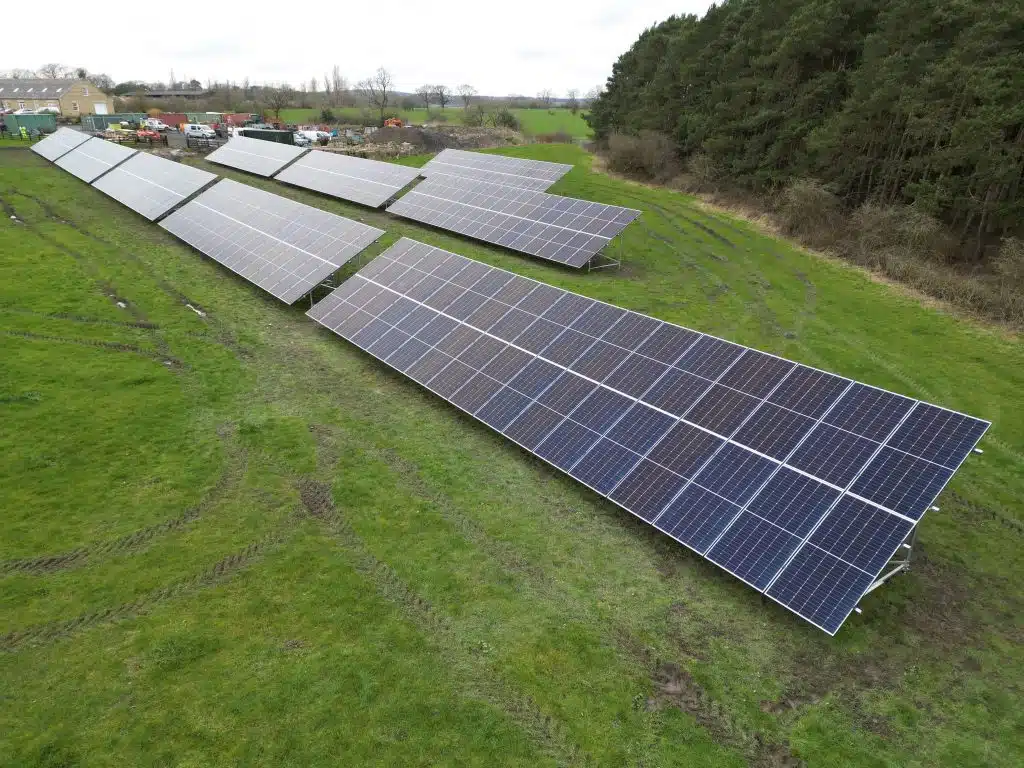
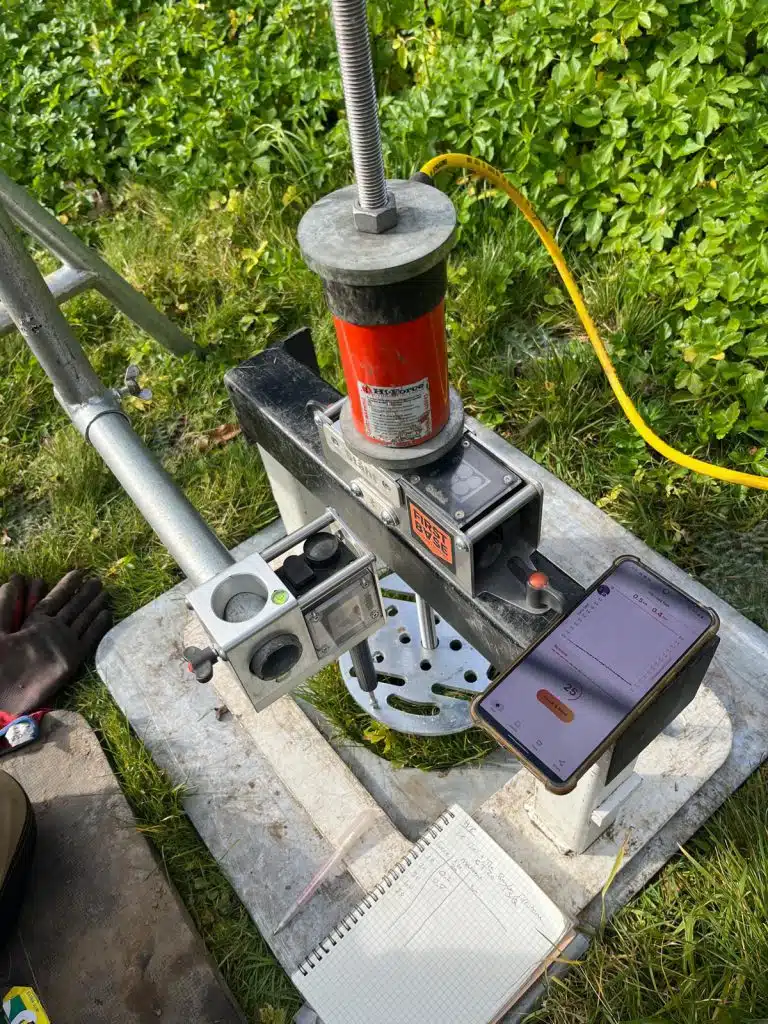
Technical Specifications & Installation Process
- Ground screws specified to meet solar panel load, uplift, and wind resistance requirements.
- Comprehensive site surveys and load testing to confirm ground conditions and design parameters.
- Precision installation using GPS-aligned machinery for consistent panel alignment.
- Compatibility with leading solar mounting systems and steel framework designs.
Frequently Asked Questions (FAQs)
Yes. Ground screws are widely used in utility-scale solar farms due to their speed of installation, scalability, and long-term performance.
Absolutely. Ground screws are engineered and load-tested to withstand uplift, lateral, and wind loads specific to solar installations.
Yes. Ground screws significantly reduce carbon emissions, avoid concrete curing times, and allow full site restoration at the end of the project lifecycle.