
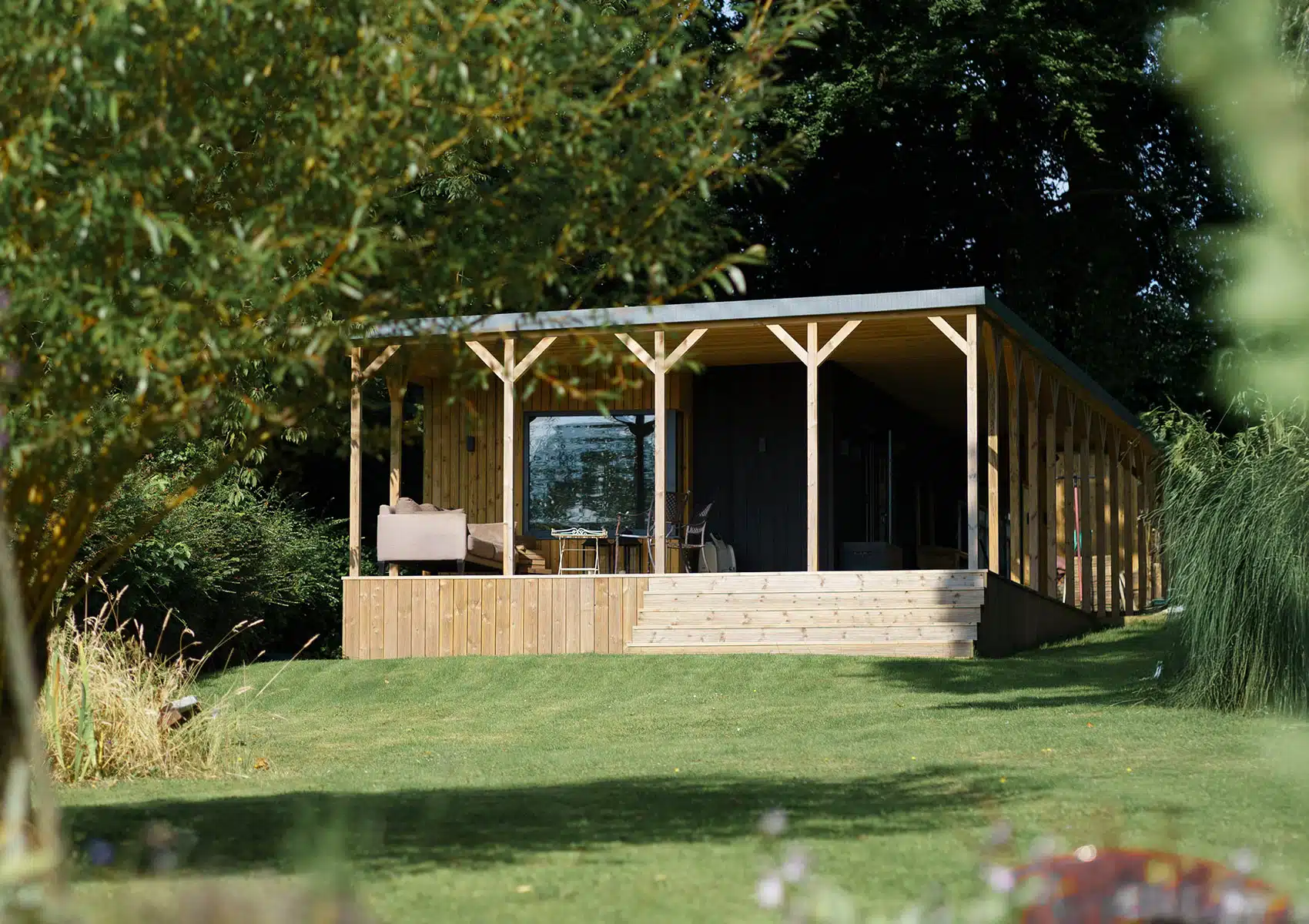
Practical, Low-Impact Foundations for Residential & Commercial Annexes
Annexes require foundation solutions that are fast to install, structurally reliable, and sensitive to existing buildings and surrounding environments. At D Page Contractors, we provide engineered ground screw foundations that are ideally suited to residential and commercial annex projects, offering a modern alternative to traditional concrete bases.
Why Choose Ground Screws for Annexes?
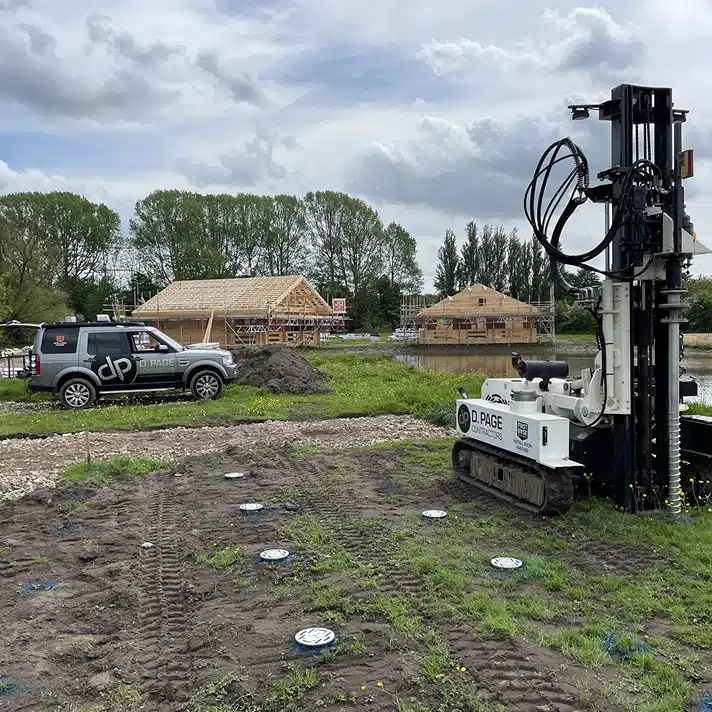
- Rapid Installation with Minimal Disruption: Ground screws are installed quickly without extensive excavation, ideal for occupied sites and live environments.
- Planning-Friendly Foundation Solution: Minimal ground disturbance makes ground screws well suited to projects with environmental or access constraints.
- Cost-Effective Construction: Reduced labour, materials, and groundwork lower overall project costs.
- Reliable Structural Support: Designed to provide long-term stability for timber frame, modular, and lightweight annex structures.
Key Benefits for Annex Projects
- Suitable for garden annexes, residential annexes, office annexes, and ancillary accommodation.
- Minimal impact on existing landscaping, drainage, and nearby structures.
- Adaptable to a wide range of ground conditions, including restricted-access sites.
- Supports sustainable construction methods and future disassembly if required.
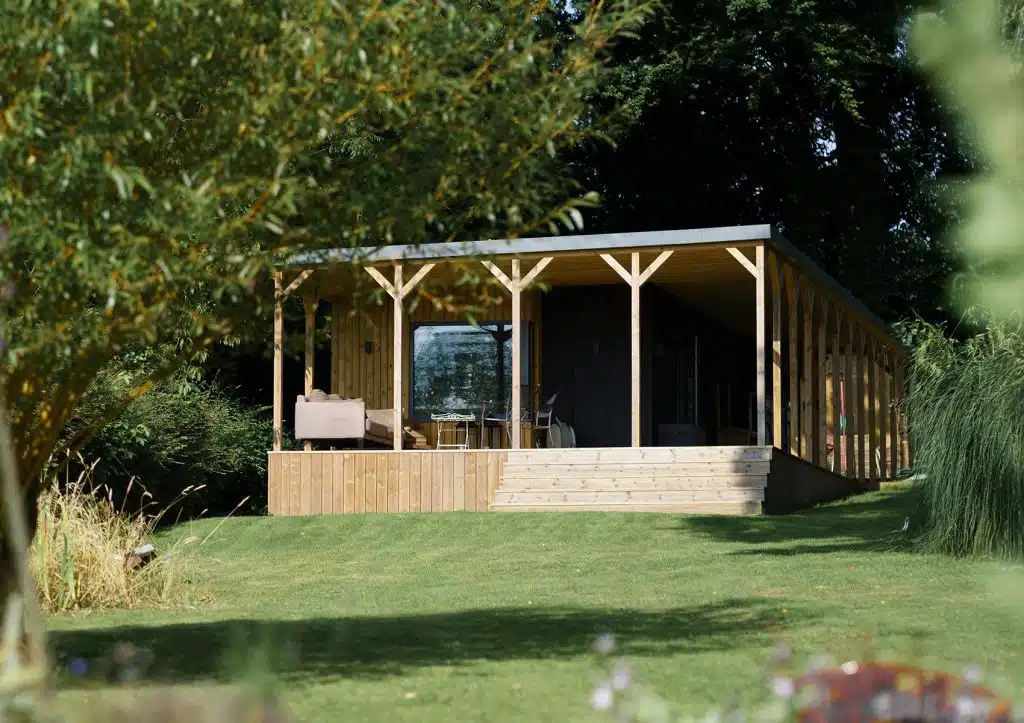
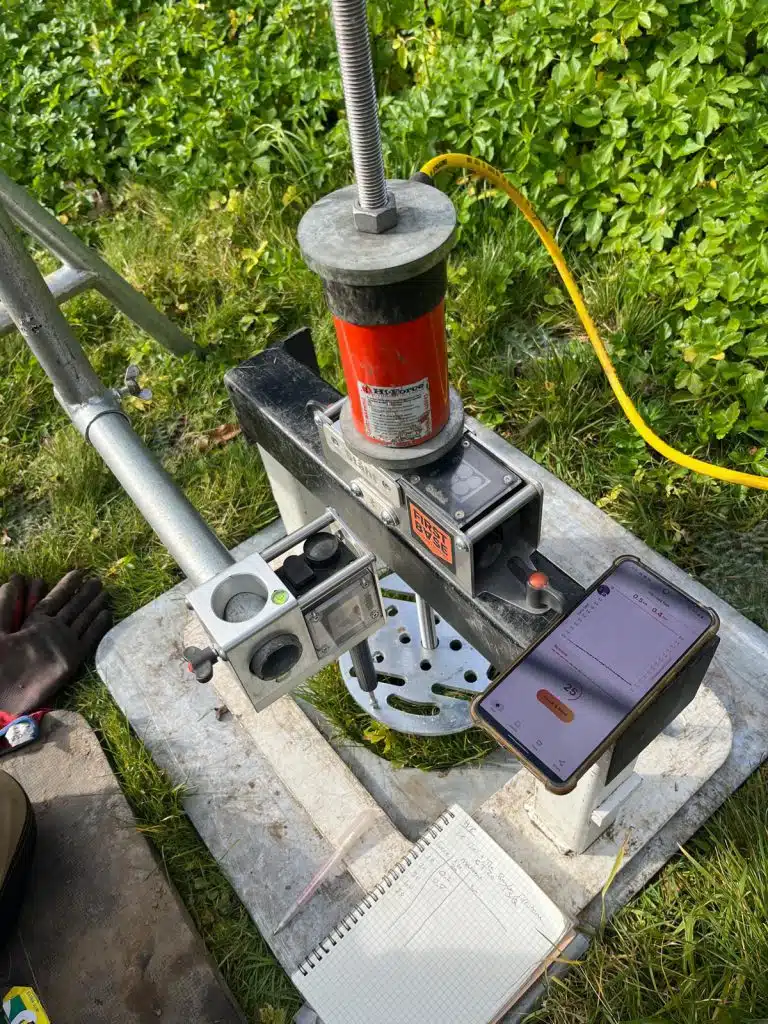
Technical Specifications & Installation Process
- Ground screws selected to meet annex load requirements and structural layout.
- Site surveys and load testing ensure accurate foundation design and placement.
- Clean, vibration-free installation suitable for close proximity to existing buildings.
- Compatible with timber frame, SIPs, modular units, and steel subframes.
Frequently Asked Questions (FAQs)
Yes. Ground screws provide long-term, load-tested structural support suitable for permanent annexes and ancillary buildings.
Absolutely. The low-vibration, non-invasive installation process makes ground screws ideal for tight or sensitive locations.
Yes. Ground screws avoid large concrete slabs, helping maintain natural drainage and reducing the risk of water pooling.